AEROMEXICO
From Price Competition to Double-Digit Margins
€7.9M Transformation | 14.1M Customers Unified | Board’s Only Major Initiative for 2019

RESULTS
- Operating margins: Moved into double-digits for the first time through customer-centric repositioning
- Customer satisfaction: Up 25% (NPS)
- Booking conversion: Up 18%
- Service productivity: Up 32%
- IROP recovery time: Down 8% (faster disruption handling)
- Employee engagement: Up 11%
- Agent decision speed: 24% faster
- Platform: First connected travel platform in Latin American aviation
Strategic validation: The board approved this as Aeromexico’s only major transformation project for 2019. Not because the technology was flashy, but because the business case was impossible to ignore.
THE STORY
Airlines are trapped in commoditization. Everyone flies the same routes with similar aircraft under the same regulations. Competing on price becomes a race to the bottom, and margins in the industry typically run 2-5%.
Aeromexico was stuck in that trap. Three separate Salesforce platforms across 14.1 million customer records. Systems that didn’t talk to each other. Departments optimizing for their own metrics instead of customer outcomes. When a passenger called, the agent saw an empty screen. No history. No preferences. Every interaction started from zero.
The brief was to unify customer intelligence. The real opportunity was to shift the airline from competing on price to competing on experience, and to prove that shift could move margins.
Aeromexico was stuck in that trap. Three separate Salesforce platforms across 14.1 million customer records. Systems that didn’t talk to each other. Departments optimizing for their own metrics instead of customer outcomes. When a passenger called, the agent saw an empty screen. No history. No preferences. Every interaction started from zero.
The brief was to unify customer intelligence. The real opportunity was to shift the airline from competing on price to competing on experience, and to prove that shift could move margins.
WHAT MADE THIS DIFFERENT
Most airline technology projects improve efficiency. This one changed the competitive position.
The CEO, Andrés Conesa, framed the mandate clearly: “Start from zero. Reimagine everything. Don’t let today’s limitations define tomorrow’s possibilities.” He didn’t want a more efficient version of the old system. He wanted to reimagine what travel with Aeromexico could feel like.
That mandate meant we weren’t just consolidating databases. We were redesigning how the organization thought about customers, and how staff at every touchpoint could act on that understanding.
The CEO, Andrés Conesa, framed the mandate clearly: “Start from zero. Reimagine everything. Don’t let today’s limitations define tomorrow’s possibilities.” He didn’t want a more efficient version of the old system. He wanted to reimagine what travel with Aeromexico could feel like.
That mandate meant we weren’t just consolidating databases. We were redesigning how the organization thought about customers, and how staff at every touchpoint could act on that understanding.
MY ROLE
Strategy & Innovation Executive Director, Salesforce Ignite
I led the customer intelligence strategy and experience design across the €7.9M transformation. This covered platform architecture, journey redesign, staff enablement, and organizational alignment across sales, service, and marketing. The engagement ran from strategic vision through implementation roadmap.
I led the customer intelligence strategy and experience design across the €7.9M transformation. This covered platform architecture, journey redesign, staff enablement, and organizational alignment across sales, service, and marketing. The engagement ran from strategic vision through implementation roadmap.
WHAT I ACTUALLY DID
The Research
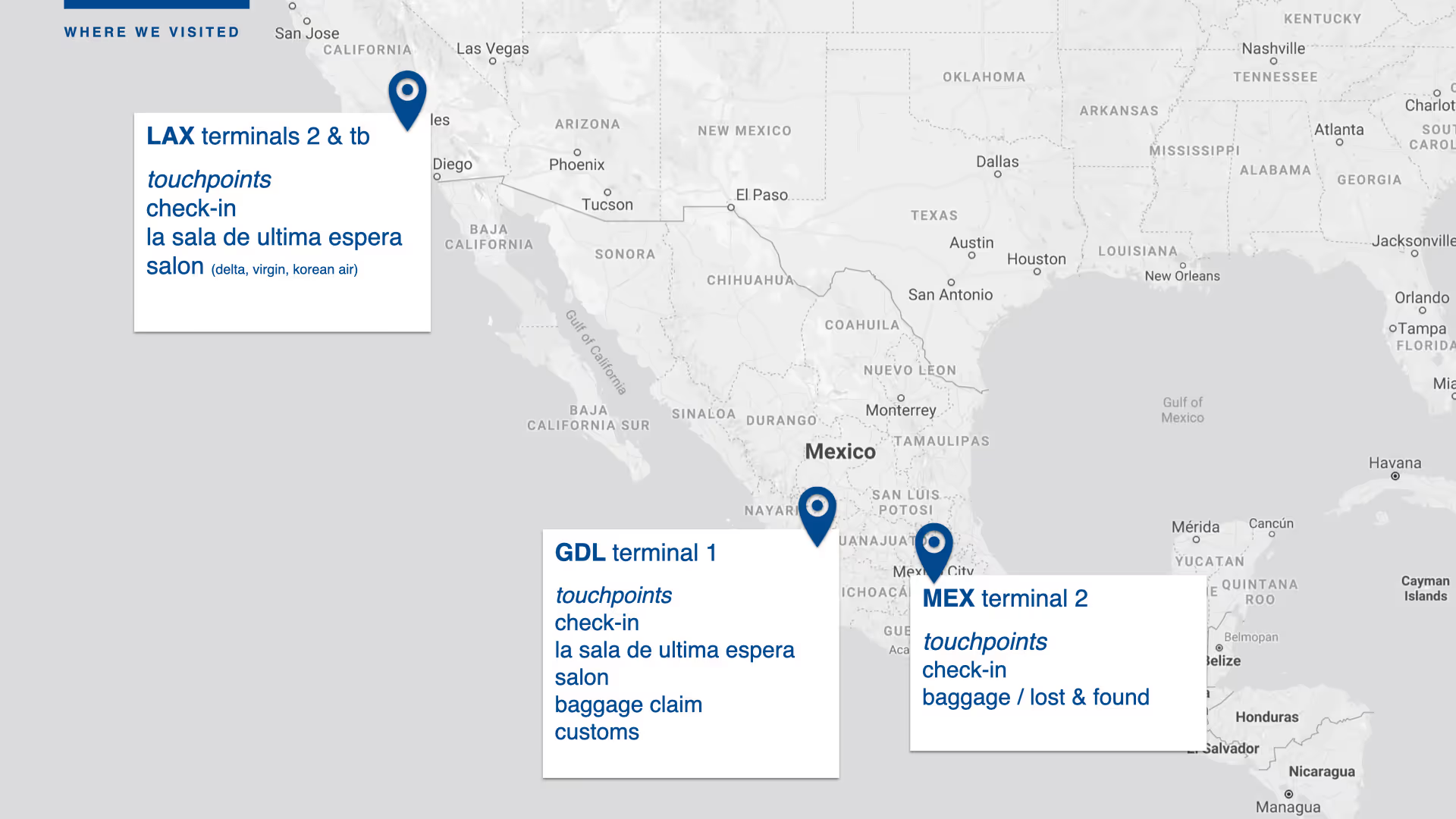
We spent weeks in terminals. LAX, Mexico City, Guadalajara. Check-in counters, lounges, boarding gates, baggage claim. Watching how staff interacted with passengers, and more importantly, watching what they couldn’t do because they didn’t have the information.
A flight attendant with passenger history can provide five times better service than one without. Same uniform, same training, but a completely different experience. The gap wasn’t capability. It was access to intelligence.
We spent weeks in terminals. LAX, Mexico City, Guadalajara. Check-in counters, lounges, boarding gates, baggage claim. Watching how staff interacted with passengers, and more importantly, watching what they couldn’t do because they didn’t have the information.
A flight attendant with passenger history can provide five times better service than one without. Same uniform, same training, but a completely different experience. The gap wasn’t capability. It was access to intelligence.
The Politics Problem
Six weeks in, we had a clear technical architecture. Merge three Salesforce instances into one. Build a unified passenger profile. Surface it to staff in real time. Straightforward on paper.
Then we tried to get three departments to agree on what “customer value” meant.
Sales optimized for bookings. Service optimized for complaint reduction. Marketing optimized for engagement. Each had different definitions of a valuable customer, different metrics they were rewarded on, different data they considered important. Asking them to share a single view meant asking them to give up control of their own definitions.
I spent more time in conference rooms in Mexico City than I expected, mediating arguments about data ownership that had nothing to do with technology and everything to do with organizational power. The breakthrough came when we stopped trying to get agreement on definitions and instead showed each department how a unified view would help them hit their own targets better. Self-interest, properly channeled, turned resisters into advocates.
Six weeks in, we had a clear technical architecture. Merge three Salesforce instances into one. Build a unified passenger profile. Surface it to staff in real time. Straightforward on paper.
Then we tried to get three departments to agree on what “customer value” meant.
Sales optimized for bookings. Service optimized for complaint reduction. Marketing optimized for engagement. Each had different definitions of a valuable customer, different metrics they were rewarded on, different data they considered important. Asking them to share a single view meant asking them to give up control of their own definitions.
I spent more time in conference rooms in Mexico City than I expected, mediating arguments about data ownership that had nothing to do with technology and everything to do with organizational power. The breakthrough came when we stopped trying to get agreement on definitions and instead showed each department how a unified view would help them hit their own targets better. Self-interest, properly channeled, turned resisters into advocates.

The Platform
We built a unified customer intelligence layer that connected Marketing Cloud, Sales Cloud, and Service Cloud into a single passenger view. The technical architecture integrated with Sabre reservations and operations, pulling in real-time flight data, loyalty history, service interactions, and preferences.
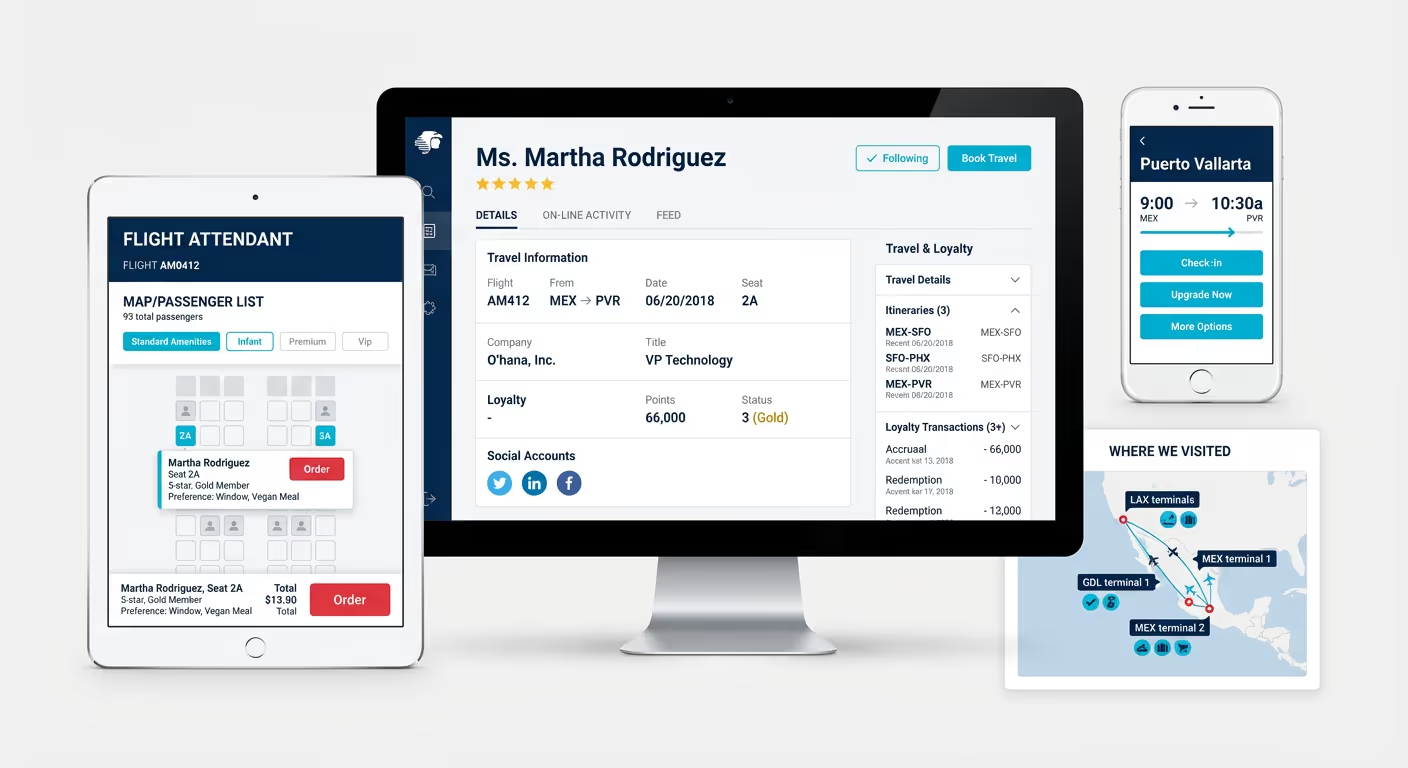
But the system was only useful if staff could actually use it. We designed iPad interfaces for flight attendants showing passenger profiles, meal preferences, and service history. Gate agents could see connection risks and proactively rebook. Call center staff finally had context when a passenger called.
We built a unified customer intelligence layer that connected Marketing Cloud, Sales Cloud, and Service Cloud into a single passenger view. The technical architecture integrated with Sabre reservations and operations, pulling in real-time flight data, loyalty history, service interactions, and preferences.
But the system was only useful if staff could actually use it. We designed iPad interfaces for flight attendants showing passenger profiles, meal preferences, and service history. Gate agents could see connection risks and proactively rebook. Call center staff finally had context when a passenger called.
The Incentive Realignment
The system alone wouldn’t fix anything if people were still rewarded for old behaviors. We worked with leadership to shift metrics so all three departments measured success on customer lifetime value and experience scores, not just their silo metrics.
Before: Pricing optimized for seat fill. Service optimized for cost. Marketing optimized for volume. After: All three measured on customer outcomes.
That alignment is what turned a technology project into a business transformation.
The system alone wouldn’t fix anything if people were still rewarded for old behaviors. We worked with leadership to shift metrics so all three departments measured success on customer lifetime value and experience scores, not just their silo metrics.
Before: Pricing optimized for seat fill. Service optimized for cost. Marketing optimized for volume. After: All three measured on customer outcomes.
That alignment is what turned a technology project into a business transformation.
WHAT HAPPENED
Customer satisfaction rose 25% because interactions became personal instead of generic. Service productivity climbed 32% because staff stopped hunting across systems and started serving people. Booking conversion increased 18% because the experience justified choosing Aeromexico over cheaper alternatives.
The number that mattered most: margins moved into double-digits for the first time. In an industry where 3-5% is normal, that’s not incremental improvement. That’s repositioning.
The CEO presented the results to the board. They approved it as the only major transformation initiative for 2019, not because we showed them impressive technology demos, but because the early results on margins were undeniable.
The number that mattered most: margins moved into double-digits for the first time. In an industry where 3-5% is normal, that’s not incremental improvement. That’s repositioning.
The CEO presented the results to the board. They approved it as the only major transformation initiative for 2019, not because we showed them impressive technology demos, but because the early results on margins were undeniable.
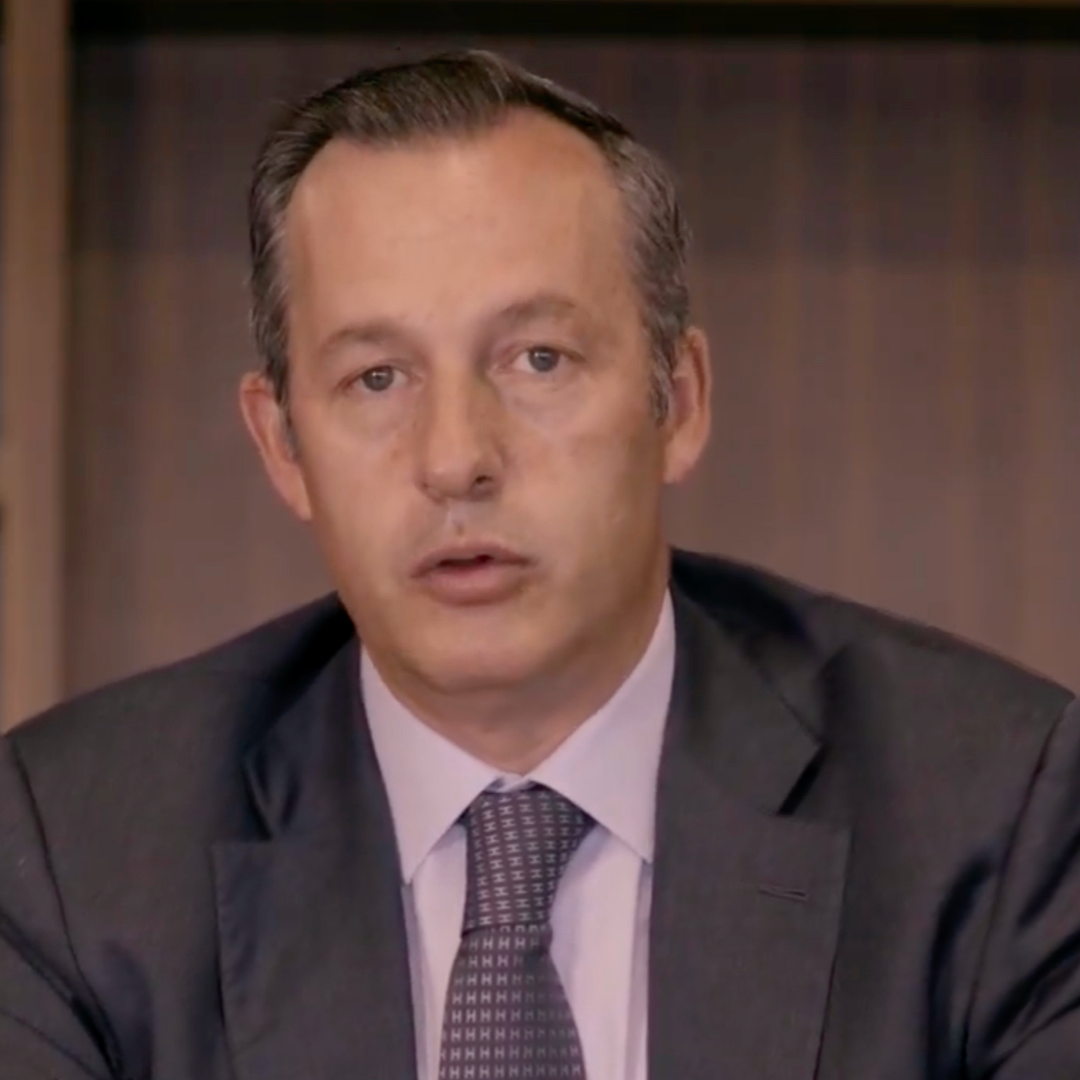
Andrés Conesa, Aeromexico’s CEO, framed the mandate this way:
“Start from zero. Reimagine everything. Don't let today's limitations define tomorrow's possibilities.”
“Start from zero. Reimagine everything. Don't let today's limitations define tomorrow's possibilities.”
WHAT I TOOK AWAY
Technology enables change. Transformation happens when people can act on that change.
A sophisticated customer intelligence system is useless if agents can’t see it, if staff don’t trust it, or if leaders still get rewarded for old behavior patterns. The political work of aligning incentives took longer than the technical work of building the platform. That’s usually true, and it’s usually underestimated.
Airlines are a brutal test case for customer experience transformation because margins are so thin that any investment has to pay back quickly. Aeromexico proved that unified intelligence, delivered to the people who interact with customers, can move an airline from price competition to experience competition. The margin improvement wasn’t a side effect. It was the whole point.
A sophisticated customer intelligence system is useless if agents can’t see it, if staff don’t trust it, or if leaders still get rewarded for old behavior patterns. The political work of aligning incentives took longer than the technical work of building the platform. That’s usually true, and it’s usually underestimated.
Airlines are a brutal test case for customer experience transformation because margins are so thin that any investment has to pay back quickly. Aeromexico proved that unified intelligence, delivered to the people who interact with customers, can move an airline from price competition to experience competition. The margin improvement wasn’t a side effect. It was the whole point.

